


Finding ethical dropshipping suppliers means more than sourcing green products. It means verifying fair labor practices, transparent supply chains, and third-party certifications before your first sale. Many suppliers claim sustainability credentials without the certifications to back them up, a practice known as greenwashing that can damage your brand. This guide covers 13 vetted ethical and eco-friendly dropshipping suppliers, the certifications to look for, and a step-by-step process for auditing any supplier before you commit.
If you are still deciding whether dropshipping is the right model for your first store, it’s worth reading up on the basics before you start sourcing. For everyone else, let’s get into what “ethical” actually means in this space.
Understanding Eco-Friendly Dropshipping
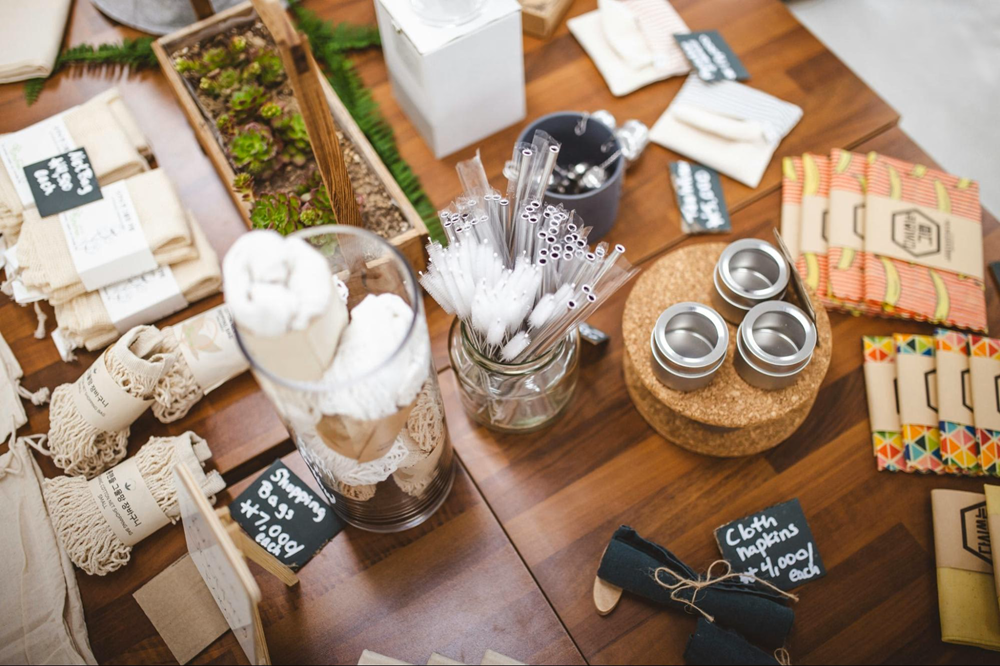
Eco-friendly dropshipping is a business model that combines the convenience of traditional dropshipping with a focus on sustainable and environmentally friendly products. As a dropshipper, you’ll partner with suppliers who prioritize eco-friendly practices, offering products made from sustainable materials, using eco-friendly packaging, and implementing environmentally conscious manufacturing processes.
What “Ethical” Sourcing Actually Means
Ethical sourcing means a brand takes responsibility for how its products are made, from the raw materials it uses to the working conditions throughout its supply chain. It goes beyond product quality to include fair labor practices, environmental responsibility, supplier transparency, and compliance with recognized ethical standards.
For many shoppers, ethical sourcing has become an important factor in purchasing decisions. According to the 2023 Edelman Trust Barometer, 55% of consumers say they are more likely to consider a product’s environmental impact before making a purchase. As supply chain information and third-party certifications become more accessible, consumers expect brands to demonstrate their commitment to responsible sourcing.
Why Ethical Positioning Matters for Your Store
As a dropshipper, you partner with suppliers who prioritize these practices across their entire supply chain, from the materials they source to the packaging they ship in. If you are still exploring which category to build a store around, our breakdown of trending dropshipping niches is a useful companion to this guide.
For entrepreneurs who want structured support navigating supplier vetting, Highticket.io’s Supplier HQ offers a searchable database built specifically for this kind of due diligence, which can save you weeks of manual research per supplier.
What Makes a Dropshipping Supplier “Ethical”?
An ethical dropshipping supplier meets standards across three pillars:
1. Fair Labor and Social Standards
Fair labor and social standards are the first pillar. This means suppliers pay living wages, maintain safe working conditions, prohibit child labor, and allow workers to organize. The International Labour Organization sets the baseline standards here, and certifications like Fair Trade and SA8000 provide third-party verification that a supplier actually meets these standards rather than simply claiming to.
2. Supply Chain Transparency
Supply chain transparency is the second pillar. An ethical supplier can tell you where their products are made, who makes them, and under what conditions. They publish a supplier code of conduct and are willing to share factory audit reports. Suppliers who deflect these questions or provide vague answers are a red flag, regardless of how green their branding looks.
3. Genuine Environmental Responsibility
Genuine environmental responsibility is the third pillar, and it goes beyond using recycled packaging. It includes verified certifications such as GOTS, FSC, and OEKO-TEX, honest claims about biodegradability and carbon neutrality, and a measurable commitment to reducing environmental impact. Greenwashing, or making unverified environmental claims, is the most common failure mode here and can expose your brand to real reputational damage. The word to hold onto across all three pillars is “verified,” since ethical sourcing is never a self-assessment.
Key Certifications to Look for in Ethical Dropshipping Suppliers
Third-party certifications are the most reliable way to distinguish between genuinely ethical suppliers and those making unverified green claims. Here is what each major certification actually guarantees, and where to check it yourself.
1. Textile and Apparel Certifications
GOTS (Global Organic Textile Standard) covers the entire supply chain for organic textiles, from raw fiber to finished product. It requires both environmental and social criteria. Certificates expire annually and can be verified directly on the GOTS site.
OEKO-TEX Standard 100 certifies that every component of a textile product has been tested for harmful substances, which matters most for apparel, bedding, and baby products.
Also, FSC (Forest Stewardship Council) certifies that paper, wood, and wood-derived products come from responsibly managed forests, relevant for stationery, packaging, and furniture with wood components.
2. Labor and Business Ethics Certifications
B Corp is a holistic certification covering environmental performance, worker treatment, community impact, and governance. It is verified through a rigorous third-party assessment of the entire business rather than one product line. An alternative is SA8000, a labor standards audit certification based on ILO conventions. It covers child labor, forced labor, health and safety, and freedom of association. Fair Trade USA and Fair Trade International also certify that farmers and workers receive fair wages and work in safe conditions. This is relevant if you’re into the food, beverage, apparel, and home goods industry.
3. Food, Personal Care, and Sourcing Certifications
Rainforest Alliance certifies agricultural and forestry products produced through sustainable land management and fair labor practices. USDA Organic and the Non-GMO Project verify food, supplements, and some personal care products against organic and non-GMO standards. For cosmetics and personal care products, Leaping Bunny confirms that neither the finished product nor its ingredients are tested on animals. Meanwhile, 1% for the Planet recognizes businesses that commit at least 1% of their annual revenue to environmental nonprofits.
When a supplier lists any of these, ask for the certificate number and verify it directly through the certifying body’s database, since certifications can lapse or be misrepresented.
Benefits of Ethical and Eco-Friendly Dropshipping
Ethical and eco-friendly dropshipping offers real commercial advantages alongside the values alignment. Here is what the data actually supports, without the inflated stats that circulate in this niche.
1. Attracts Values-Driven Customers
Consumer demand for verified ethical products keeps expanding as awareness of environmental and labor issues grows. In a saturated e-commerce landscape, ethical sourcing credentials give your store a defensible identity that is harder to compete with on price alone. Shoppers who find a brand that verifiably aligns with their values tend to research less and buy faster, which shortens your sales cycle and reduces the ad spend needed to close a sale.
2. Helps You Command Premium Pricing and Loyalty
More than four-fifths of consumers say they are willing to pay more for sustainably produced goods, and on average they are willing to pay 9.7% more for products that meet specific environmental standards, according to PwC’s 2024 Voice of the Consumer Survey. Ethical sourcing is a margin lever as much as a cost, and when your certifications are visible and verifiable, you have a legitimate basis for pricing above commodity alternatives. Our guide on pricing dropshipping products can help you make the right choice if you are still working out your margin structure, since certification-backed products can often absorb a higher markup than uncertified equivalents in the same category.
3. It Reduces Reputational and Legal Risk
Suppliers involved in labor violations or false environmental claims can expose your brand to consumer backlash and, in some jurisdictions, legal liability under emerging supply chain due diligence laws, including Germany’s Supply Chain Act and the EU’s Corporate Sustainability Due Diligence Directive. Vetting your suppliers thoroughly is risk management as much as it is values alignment. That risk management starts with a repeatable framework, which is what the next section covers.
4. It Differentiates Your Brand in a Crowded Market:
In a crowded e-commerce landscape, eco-friendly dropshipping provides a unique opportunity to differentiate your brand. By focusing on eco-friendly products, you can set your store apart from competitors and create a distinct identity that resonates with eco-conscious shoppers. This differentiation can increase visibility and customer interest in your offerings.
5. It Contributes to a More Sustainable Future:
Perhaps the most significant advantage of eco-friendly dropshipping is the chance to contribute to a more sustainable future. By promoting and selling environmentally friendly products, you’re playing a part in reducing waste, conserving resources, and minimizing environmental impact. This sense of purpose can be incredibly fulfilling for entrepreneurs who want their business to align with their values.
6. You Tap into a Growing Market Segment:
Eco-friendly dropshipping also allows you to tap into a growing market segment. Studies have shown that consumers are increasingly willing to pay more for sustainable products, presenting a lucrative opportunity for dropshippers. As demand for eco-friendly items continues to rise, businesses that cater to this market are well-positioned for growth and success.
It Helps You Build Customer Loyalty Through Shared Values:
Another significant benefit is the potential to build strong customer loyalty. When consumers find a brand that aligns with their environmental values, they’re more likely to become repeat customers and brand advocates. By offering sustainable products and demonstrating a commitment to eco-friendly practices, you can foster a loyal customer base that shares your values and supports your mission.
Eco-friendly dropshipping offers a win-win situation for entrepreneurs. It allows you to build a profitable business while making a positive impact on the environment. As more consumers prioritize sustainability, this business model presents an exciting opportunity to meet growing demand, differentiate your brand, and contribute to a greener future.
How to Choose Ethical Dropshipping Suppliers:
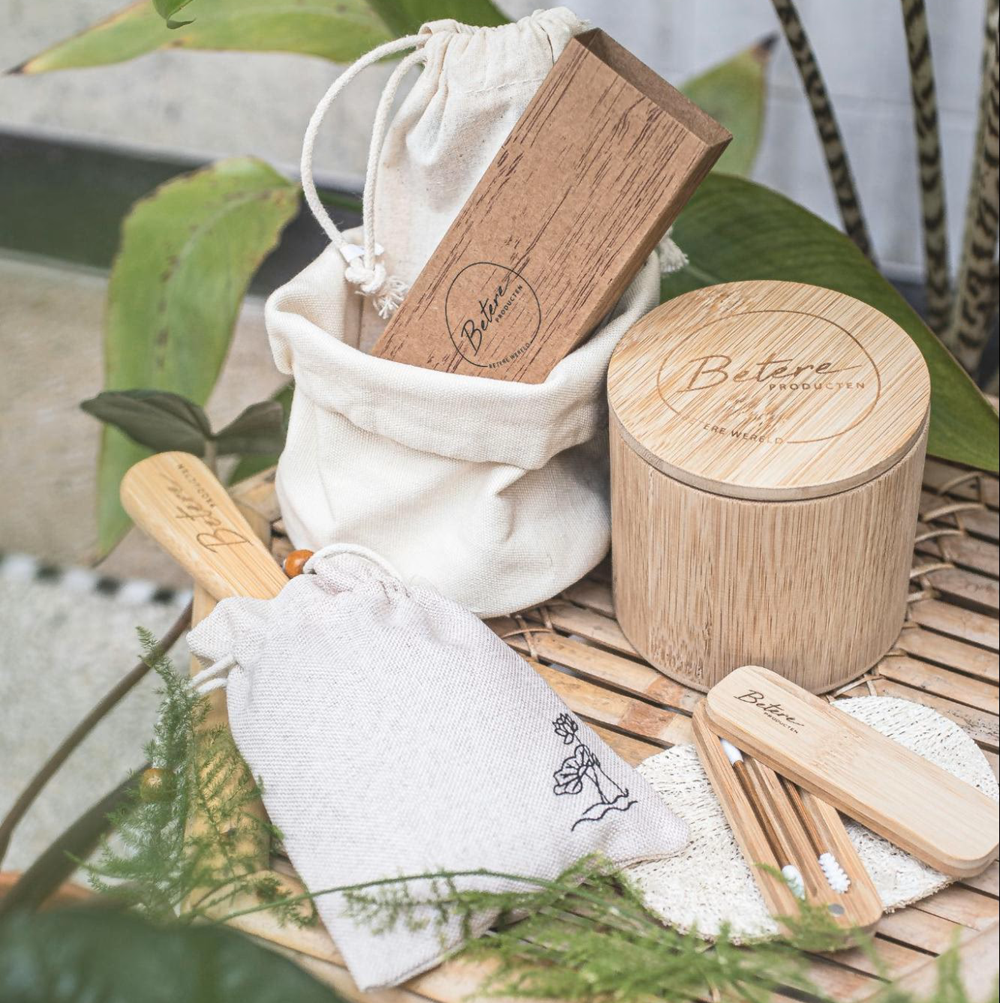
When selecting ethical dropshipping suppliers, you need to do your due diligence. Not all suppliers are created equal, and some engage in greenwashing by making false or misleading claims about the environmental or social benefits of their products. Use the following framework to evaluate any supplier before you commit.
1. Sustainability Practices to Verify
Look for suppliers that prioritize sustainability throughout their entire supply chain, including certified organic or recycled materials, waste minimization, and a reduced carbon footprint. Also, request samples before committing to any supplier, and check that certifications are current since some, like GOTS, expire annually.
If you’re still building your supplier shortlist, Highticket.io’s guide to finding dropshipping suppliers covers the broader sourcing process this framework fits into, and it pairs well with the certification checklist above.
2. Labor and Social Standards Questions to Ask
Ask suppliers directly whether they conduct third-party labor audits, what their living wage policy is, and whether their factories hold SA8000 or Fair Trade certification. A supplier unwilling to answer these questions is a red flag.
Ethical suppliers should also be able to provide factory audit reports, a published supplier code of conduct, and clear answers about where and how their products are made, usually within a few days of being asked.
3. Greenwashing Red Flags to Watch For
Watch for vague claims like “eco-friendly” or “green” with no certification backing. Be skeptical of packaging that claims biodegradability without specifying conditions, since industrial composting and home composting are very different things. Carbon-neutral claims should reference a verified offset registry such as Gold Standard or Verra VCS. If a supplier cannot name one, treat the claim as unverified. The same skepticism applies to vague “sustainably sourced” language on ingredient or material lists, which often means nothing without a named standard behind it.
4. Supply Chain Transparency Checks
Ethical suppliers should be able to provide the country of manufacture, tier-1 and ideally tier-2 supplier names, and a published supplier code of conduct. Platforms like Open Supply Hub let you cross-reference factory names against audit databases at no cost. If a supplier cannot or will not provide this information, that refusal is the answer you need, and walk away before you invest time building product listings around them.
To streamline the process of finding and managing eco-friendly suppliers, Highticket.io provides program members with access to a robust Supplier Database and search demand tool. This resource, available through their Supplier HQ platform, helps entrepreneurs identify promising products and efficiently manage supplier outreach, saving time and improving productivity. Find out how to find private suppliers for dropshipping.
How to Verify a Supplier’s Ethical Claims Step by Step
Before you list a single product from a new supplier, run through this verification process to confirm their ethical claims are backed by evidence rather than marketing copy.
1. Confirm Certification Documents Independently
Request the actual certification documents rather than accepting a logo on a website as proof. Ask for the certificate number, the certifying body, and the expiration date, then verify it independently through the certifying body’s public database.
GOTS certificates are searchable at global-standard.org, and B Corp status is verifiable at bcorporation.net. This single step catches most fabricated claims before they ever reach your storefront, and it takes less time than most people expect.
2. Cross-Reference Factories and Request Audits
Ask the supplier for the name and location of the factory or factories where your products are made, then search those names in Open Supply Hub, which aggregates factory audit data from brands and retailers worldwide. Also check whether the supplier is registered with Sedex or EcoVadis, two platforms that aggregate supplier sustainability and labor audit data. You can send a written questionnaire covering country of manufacture, wage policy, and audit frequency. Our guide on contacting suppliers for dropshipping has templates for this kind of outreach that you can adapt for ethical-specific questions.
3. Order Samples Before You List
Physical samples let you verify material claims, check for certification labels on packaging, and assess overall quality before you commit to listing. If a supplier’s product does not match their marketing claims at the sample stage, it will not match them at scale. This process takes time upfront, but it saves far more time and brand damage on the back end, and it should become a standing step in your onboarding process for every new supplier, not just the first one.
Ethical Dropshipping Niches With Strong Demand
Before choosing a supplier, it helps to know which ethical product niches have the strongest consumer demand and the best margin potential for dropshippers.
Beauty, Apparel, and Home Categories
Organic skincare and vegan beauty are among the fastest-growing categories in ethical e-commerce, and buyers here are highly certification-aware, looking for cruelty-free and USDA Organic labels before purchasing. Sustainable fashion commands premium pricing when backed by GOTS or Fair Trade certification, and print-on-demand suppliers make this category accessible without inventory risk. Zero-waste home goods, covering reusable kitchen products and biodegradable cleaning supplies, have strong repeat purchase rates because many products are consumable.
Pet, Food, and Baby Categories
Ethical pet products are an underserved niche with growing demand, as consumers who prioritize ethical sourcing for themselves increasingly extend that standard to their pets. Fair trade coffee, chocolate, and tea are among the most recognized certified ethical products globally, though perishability and shipping logistics remain a challenge for dropshippers.
Eco-friendly baby products are a high-trust category where OEKO-TEX and GOTS certifications carry real weight with parents, and buyers in this category tend to research more thoroughly and churn less once they trust a brand. Each of these niches rewards the same thing: verifiable credentials, since the ethical shopper is buying proof as much as product.
13 Ethical and Eco-Friendly Dropshipping Suppliers to Consider
Now that you know what to look for, here are 13 suppliers worth evaluating, grouped by region and business model so you can find the fit for your store.
1. Jungle Culture
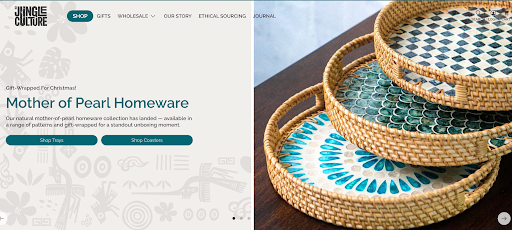
Jungle Culture is a UK-based supplier that specializes in sustainable and ethical products. They offer a wide range of items, from eco-friendly cleaning supplies to zero-waste personal care products. All of Jungle CCulture’sproducts are carefully sourced from trusted brands that prioritize sustainability and social responsibility.
2. CJ Dropshipping
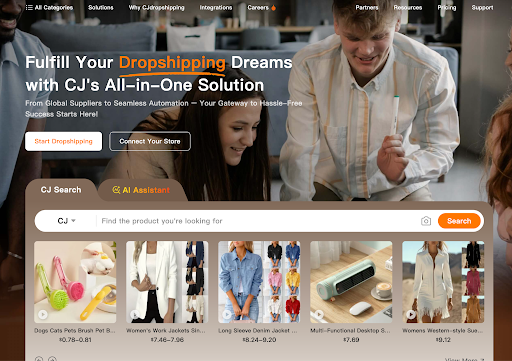
CJ Dropshipping is one of the largest global dropshipping platforms, connecting merchants with manufacturers and suppliers across China, the US, Europe, and other regions. Unlike suppliers that focus exclusively on sustainable products, CJ offers millions of products across virtually every category, including home goods, fashion, beauty, and lifestyle items.
It also provides product sourcing, quality inspections, custom packaging, print-on-demand services, and direct integrations with platforms like Shopify, WooCommerce, Etsy, and TikTok Shop.
3. Bangalla
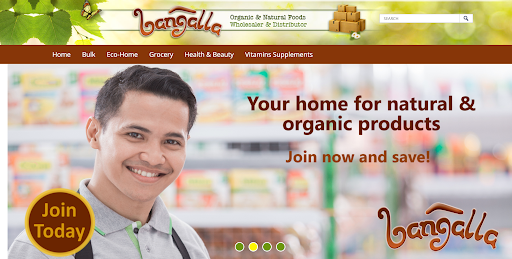
Bangalla is an Australian supplier that specializes in eco-friendly and zero-waste products. They offer a range of sustainable living essentials, from reusable straws to biodegradable phone cases. Bangalla is committed to minimizing their environmental impact and supporting small, ethical businesses.
4. Green Bear UK
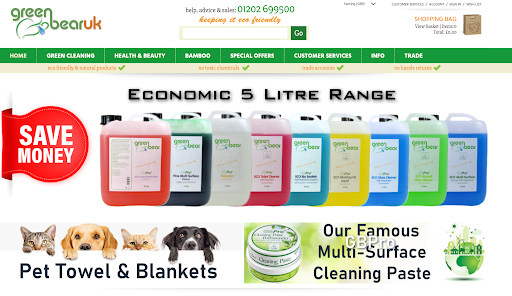
Like Jungle Culture, Green Bear UK is an eco-friendly dropshipping supplier based in the United Kingdom, specializing in sustainable household products. Their product range includes natural cleaning supplies, personal care items, and eco-living accessories, all designed to minimize environmental impact by reducing the use of harsh chemicals and synthetic ingredients.
Green Bear UK is dedicated to providing eco-conscious alternatives and packaging their products in recyclable materials to support a greener lifestyle.
5. GreenDropShip
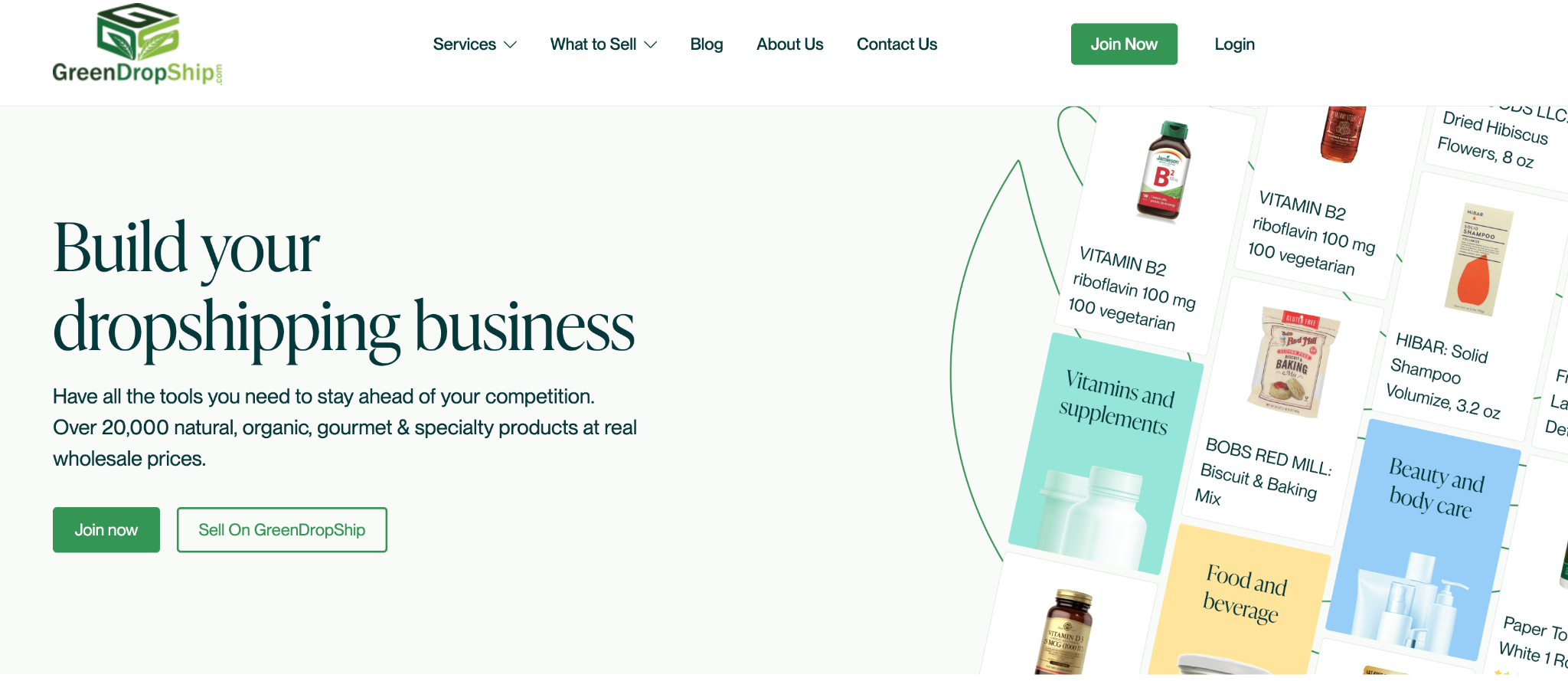
GreenDropShip offers an extensive range of natural and organic products, from groceries to household items, ensuring their offerings meet high sustainability standards. They utilize eco-friendly packaging and renewable energy in their warehouse operations, demonstrating a strong commitment to environmental responsibility. GreenDropShip’s diverse product catalog and dedication to green practices make them a leading choice for eco-conscious retailers
6. SaleHoo
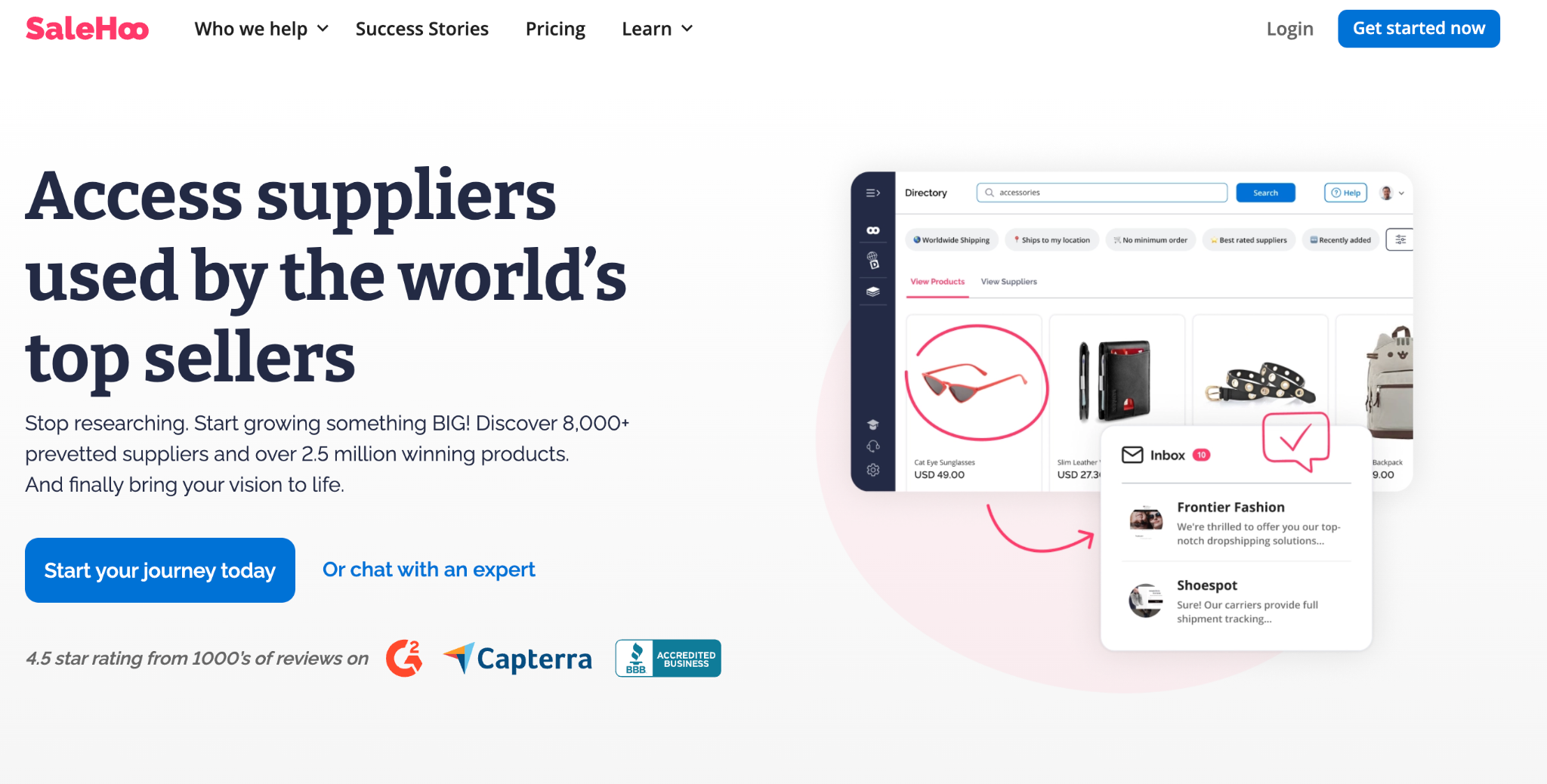
SaleHoo is a comprehensive supplier directory that rigorously vets suppliers to ensure they meet ethical and sustainability standards. It connects e-commerce businesses with a variety of eco-friendly options, spanning multiple product categories such as fashion, beauty, and home goods. With its robust network, SaleHoo helps businesses easily find and collaborate with suppliers committed to sustainable practices
7. Spocket
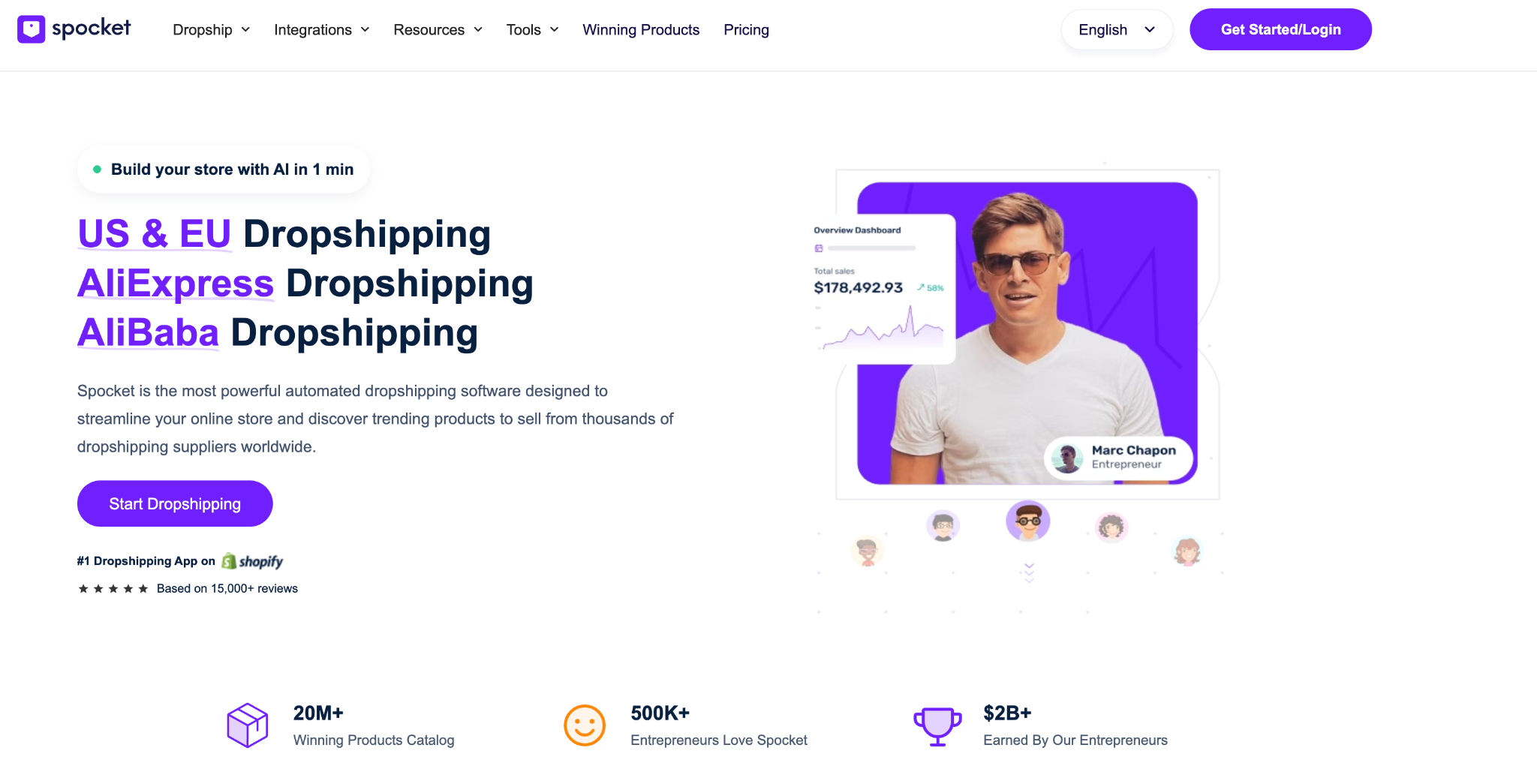
Spocket connects retailers with high-quality suppliers globally, emphasizing products that are sustainably produced. They feature numerous eco-friendly brands, particularly those specializing in organic textiles and recycled materials. Spocket’s platform facilitates easy integration with dropshipping platforms, making it a popular choice for businesses looking to add sustainable products to their offerings
8. Modalyst
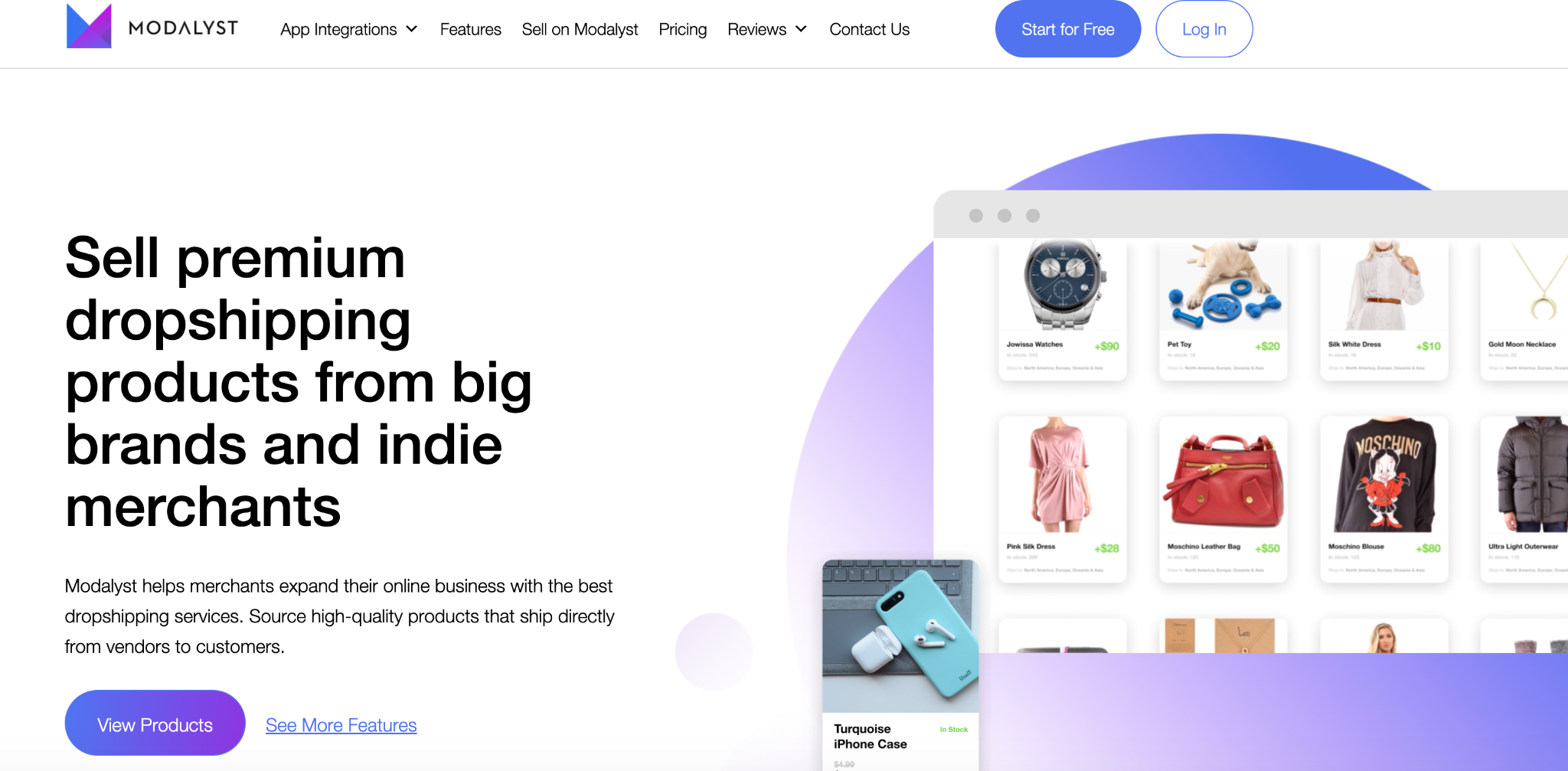
Modalyst focuses on modern entrepreneurs who seek unique and sustainable items for their stores. Their supplier network includes providers of biodegradable phone cases, organic skincare products, and other eco-friendly goods. Modalyst’s emphasis on sustainability helps retailers offer products that appeal to environmentally conscious consumers while supporting green business practices
9. White Lotus Home
White Lotus Home is known for its eco-friendly bedding, including organic mattresses and pillows. They support green farming practices and local communities, ensuring their products are both sustainable and socially responsible. As one of the fastest dropshipping suppliers in the USA, White Lotus Home provides an attractive option for eco-conscious consumers.
10. Printful
Printful is a print-on-demand supplier that enables businesses to sell custom apparel, accessories, home décor, and lifestyle products without holding inventory. It prints products only after an order is placed, helping reduce overproduction and excess waste compared to traditional bulk manufacturing. The company also operates fulfillment centers in multiple regions, allowing many orders to be produced closer to customers and potentially lowering shipping distances.
11. AliExpress (Eco Products Page)
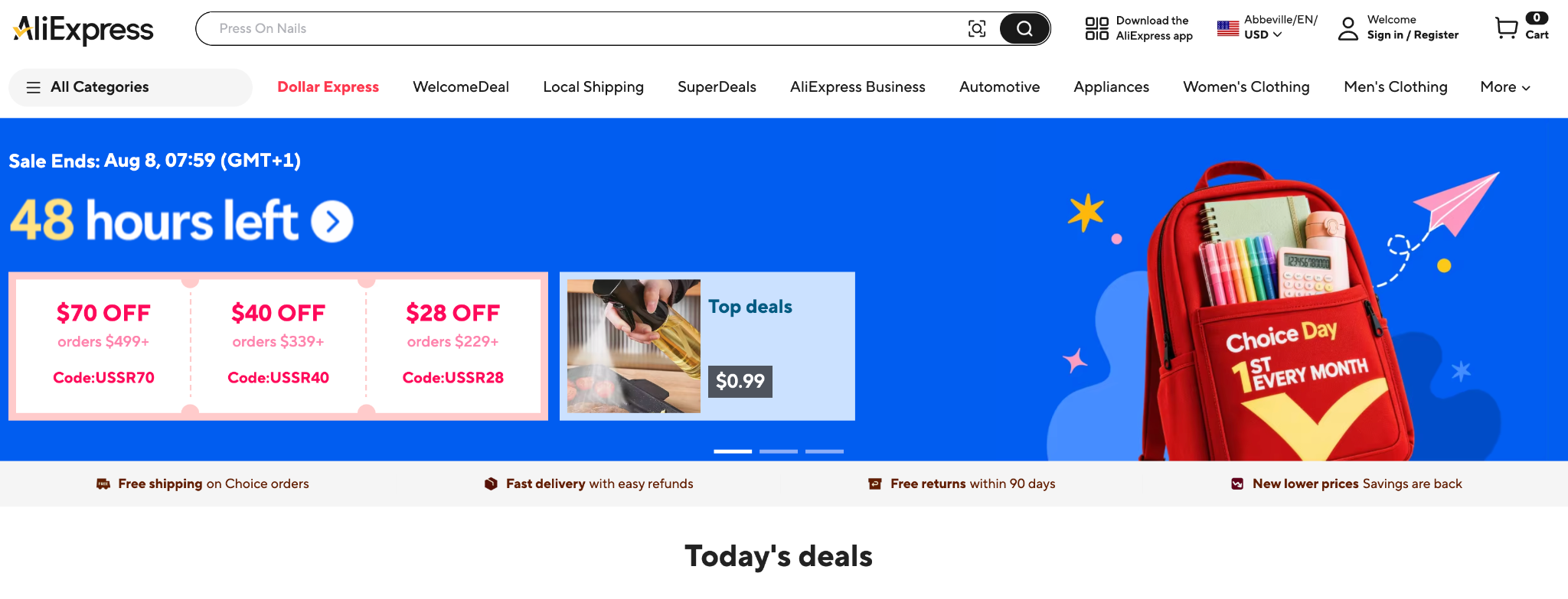
AliExpress hosts a dedicated section for eco-friendly products, connecting dropshippers with suppliers who focus on green consumer goods. The platform promotes initiatives to reduce packaging waste and encourages responsible sourcing practices. AliExpress’s global reach and diverse product range make it a valuable resource for businesses seeking sustainable products
12. Nature’s Brands
Nature’s Brands has been a pioneer in the organic personal care and wellness industry since 1995. Their products are organic, natural, chemical-free, and cruelty-free, offering safe and sustainable options for consumers. Nature’s Brands provides various programs, including wholesale and private label, to suit different business needs.
13. Inkthreadable
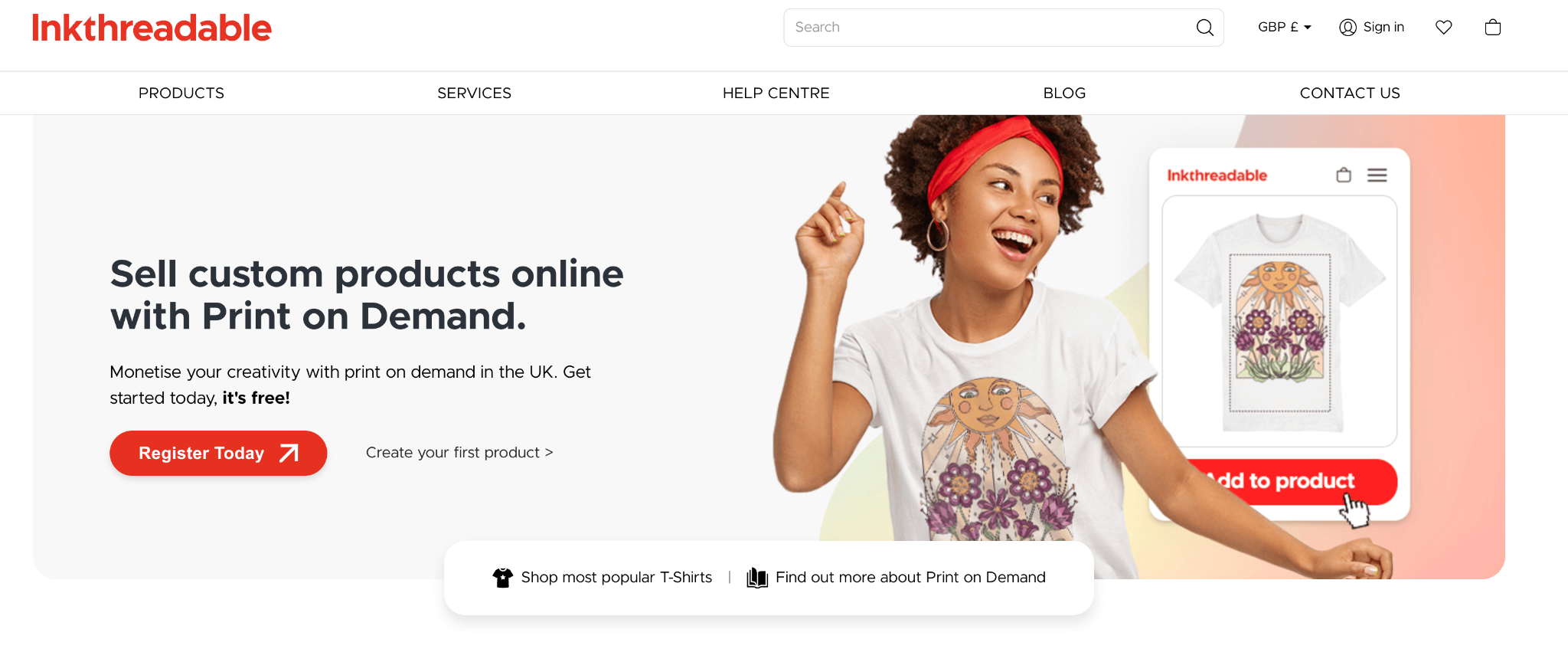
These suppliers offer a range of sustainable products, from clothing and personal care to home goods and groceries, helping businesses meet the growing demand for eco-friendly options.
How to Market Your Ethical Dropshipping Store
Once you have partnered with the right ethical dropshipping suppliers, how you communicate that sourcing story is what converts browsers into buyers.
Display Certifications and Tell Your Sourcing Story
Display supplier certifications prominently on product pages near the add-to-cart button, since the certification badge functions as both a trust signal and a conversion tool.
Also, write a dedicated “how we source” page that names your suppliers, links to their certification pages, and explains your vetting process. This is one of the most effective trust signals for ethical shoppers, because it shows your sourcing claims are documented rather than just marketing copy, and it gives you something concrete to link to when customers ask questions directly.
Use Content and Email to Build Trust
Behind-the-scenes supplier content and “why we chose this supplier” posts tend to outperform standard product content in the eco and ethical niche, since shoppers here are practiced at spotting performative sustainability. For paid search, long-tail keywords like “fair trade coffee” or “GOTS certified bedding” convert well because buyer intent is already qualified. Segmenting customers who bought ethical products and sending them supplier spotlight emails is a straightforward way to turn a single purchase into a repeat one, and it costs nothing beyond the time it takes to write the email.
Conclusion
Choosing ethical dropshipping suppliers is a business decision as much as it is a values decision. Suppliers with verified certifications reduce your risk, support premium pricing, and build the kind of brand loyalty that sustains long-term growth. Use the vetting framework in this guide before signing with any supplier, regardless of how green their marketing looks.
If you want hands-on support building a business around suppliers like these, from vetting to store setup, Highticket.io walks through the entire process, and the Highticket.io Program includes access to the Supplier HQ database alongside structured coaching to help you put this framework into practice.