

Most content about dropshipping is written for the store owner — the person hunting for products, building a Shopify store, and running ads. But there's another side of the equation that rarely gets discussed: the supplier.
If you manufacture, warehouse, or wholesale physical products, becoming a dropshipping supplier is one of the most efficient ways to grow your sales volume without touching retail operations. You don't run ads or handle customer acquisition. All you need to do is fulfill orders and get paid while the dropshipper takes care of the rest.
This guide is for product businesses, including small manufacturers, importers, wholesalers, and distributors who want to understand what it actually takes to set up a dropshipping supplier program in 2026, attract quality retail partners, and run it in a way that scales without creating operational chaos.
What Does It Actually Mean to Be a Dropshipping Supplier?
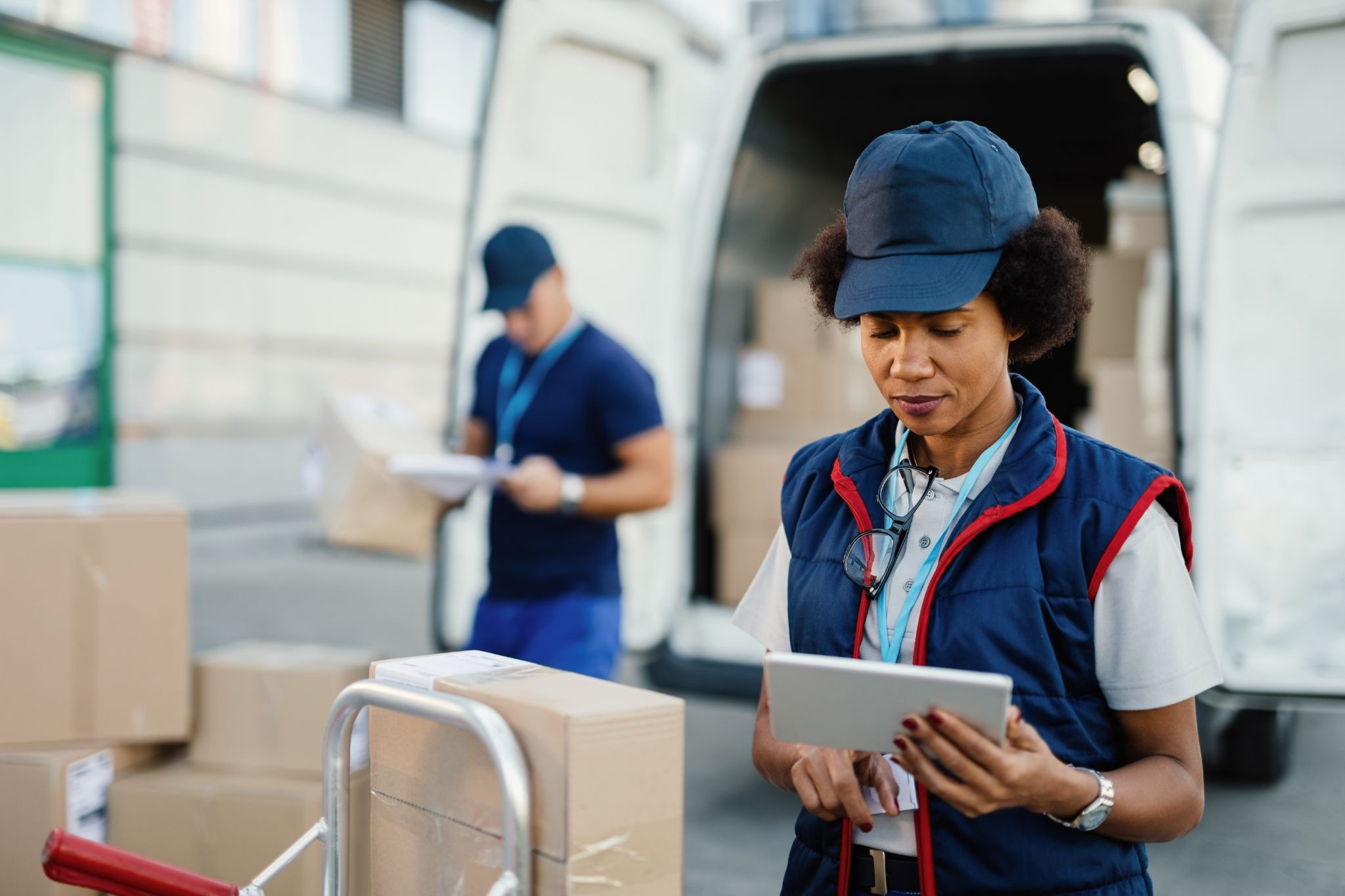
A dropshipping supplier is a business that holds physical inventory and fulfills individual orders on behalf of retail partners, typically at a wholesale price, without appearing on the packaging or in the customer transaction.
Here's how the flow works:
Step 1: A store owner lists your products in their online store.
Step 2: A customer places an order.
Step 3: The store owner sends you the order details.
Step 4: You pick, pack, and ship the product directly to the end customer, usually with a branded packing slip carrying the store owner's branding, not yours.
Step 5: You charge the store owner your wholesale price. They charge the customer retail. The margin difference is their profit. You never deal with the customer directly.
This is different from wholesale, where you sell in bulk, and the buyer manages fulfillment. In dropshipping, you're handling single-unit fulfillment for dozens or hundreds of retail partners simultaneously. That's what makes the operational setup so important to get right before you launch a program.
Why Become a Dropshipping Supplier?
As a supplier, you gain access to the sales reach of potentially hundreds of online stores without running a single ad yourself. Each dropship partner is effectively a sales rep with their own audience and traffic. Your job is to fulfill the demand they generate. This means you can scale your sales volume without the usual increase in advertising costs or the need to build a large in-house sales team.
Other benefits are:
1. You Move More Inventory Without Holding Extra Risk
Overstock is one of the most expensive problems in product businesses. A well-structured dropshipping program can move slow-moving SKUs because you're distributing product across multiple storefronts and audiences rather than relying on a single sales channel.
2. You Get Market Intelligence Faster
When dozens of store owners are listing your products across different niches, ad angles, and audiences, you naturally see which products convert, which price points hold, and which markets care about your category.
3. You Strengthen Your Position in the Supply Chain
It also positions you as more than just a vendor, as you become an integral part of your partners' operations. By offering reliable fulfillment, fast shipping, and consistent product quality, you build trust that goes beyond price competition.
Over time, this "stickiness" gives you leverage. Store owners are more likely to prioritize your products, collaborate on new launches, and even share insights about what's selling in their markets. That feedback loop can help you refine your offerings and stay ahead of demand trends.
4. Your Brand Gets Distributed More Widely
Even if the end customer only sees the retailer's branding, your products are reaching more households. If you have any direct-to-consumer presence or plan to build one, broader product awareness compounds over time.
What You Need Before You Can Start Accepting Dropship Orders
Getting into dropshipping as a supplier isn't complicated, but it does require a real operational foundation. Most businesses fail at this launch before they're actually ready. Here's what you need to have sorted first.
1. Product Inventory
You need reliable, consistent stock. Dropshipping relationships fall apart fast if you're regularly going out of stock on SKUs that retailers have live listings for. Before launching a program, make sure your inventory is stable and your replenishment cycle is predictable. If your supply chain is still volatile, wait.
2. Warehousing
Your warehouse or fulfillment facility needs to be capable of handling individual unit picks, not just pallet or case-pack shipments. This sounds obvious, but it's a genuine operational shift for businesses used to B2B wholesale. You'll need organized bin or shelf locations, clear SKU labeling, and a pick-and-pack process that can handle high-order variety without errors.
3. Fulfillment Infrastructure
You need a defined process for receiving orders, picking items, generating packing slips (with the retailer's branding, not yours), and shipping within your stated handling time. If you're doing this manually at low volume, that's fine to start. But you'll need a system, whether that's fulfillment software, a 3PL partner, or a warehouse management system, before volume scales.
4. Shipping Capabilities
Single-unit shipping is more expensive per item than bulk freight, so make sure your carrier relationships and rates support it. Many suppliers start with UPS, FedEx, or USPS for domestic orders. If you're in high-ticket categories, you'll also need to understand freight for larger items. White-glove delivery is a real factor in categories such as furniture, fitness equipment, and outdoor appliances.
5. Business Licensing and Legal Setup
You need to be properly registered and, depending on your category and state, may need a reseller's certificate on file for your retail partners. Have a business entity, a tax ID, and a clear understanding of your sales tax obligations.
6. Wholesale Agreements
Every dropship partner should sign a wholesale or dropshipping agreement before they get access to your pricing and inventory. This document should cover order minimums (if any), payment terms, return policy, shipping responsibility, and your MAP policy. Don't skip this step. It sets the rules of the relationship before problems come up.
7. Minimum Order Requirements and Pricing Structure for Dropship Partners
Your dropship pricing needs to differ from your standard retail pricing while also protecting your retail partners' margins. A standard model: offer dropship partners a wholesale price that's 30–50% below MAP (Minimum Advertised Price). This gives them room to be competitive while protecting the value of your product in the market. You might also charge a small per-order dropship fee ($2–$5) to cover the extra handling cost of single-unit fulfillment. This is common and expected.
Key Steps to Become a Dropshipping Supplier in 2025
1. Define Your Niche and Products:
Not every SKU in your catalog needs to be available for dropshipping. Start with your most consistent sellers, that is, products with reliable stock, low return rates, and straightforward shipping profiles. High-ticket items often make better dropship candidates than low-margin, high-volume goods because the per-order economics are easier to justify.
Get clear on your category positioning, too. Are you a premium brand, a value play, or a specialty supplier? That clarity helps attract the right type of retail partner.
2. Establish Reliable Inventory and Fulfillment Systems
Set your par levels, that is, the minimum inventory you'll maintain per SKU before triggering a reorder. Build a real-time or near-real-time inventory feed so your retail partners always know what's in stock. Nothing damages a dropshipping relationship faster than accepting an order for an item you don't have in stock.
Consider whether you'll fulfill in-house or use a 3PL (third–party logistics). Third-party logistics providers can handle pick, pack, and ship at scale and often have integrations already built for common e-commerce platforms. If your volume is still low, in-house fulfillment makes more sense.
3. Integrate with E-commerce Platforms
Your retail partners are operating on Shopify, WooCommerce, BigCommerce, and Amazon. To make it easy for them to work with you, you need to be able to send product data and receive orders in formats those platforms understand.
At a minimum, you should be able to provide:
- A product data feed (CSV or API)
- Inventory availability updates
- Order confirmations with tracking numbers.

Tools like Dsco, Flxpoint, or CommerceHub specialize in supplier-to-retailer data integration and are worth evaluating if you're planning to onboard more than a handful of partners.
If you want to be accessible to high-ticket dropshippers specifically, getting listed in supplier directories like SupplierHQ is one of the most direct ways to be found. SupplierHQ connects verified high-ticket suppliers with store owners actively seeking US-based dropship partners and lets you show your price range, MAP, margins, and shipping locations upfront.
4. Create a Professional Dropshipping Supplier Profile
Store owners vet suppliers carefully, especially in the high-ticket space. Your supplier profile needs to communicate reliability before anyone picks up the phone.
This means:
- A clear website with a dedicated wholesale or supplier inquiry page
- Professional product imagery
- Amstated dropship program overview (how it works, what's required to apply, what partners can expect)
- Visible contact information.
A one-page supplier program PDF that partners can download and share internally goes a long way.
5. Optimize Product Listings and Data Feeds
Your product data is what retailers use to build their listings. Bad data leads to bad listings, which lead to low conversions and frustrated partners who blame the products rather than the copy.
For each SKU, provide:
- A clean title
- A full description (150–200 words)
- Multiple high-resolution images from different angles
- All relevant specifications (dimensions, weight, materials, color options)
- MAP price.
If you're in a category where compliance or safety documentation matters, like children's products, electrical items, or fitness equipment, include that too.
6. Develop a Strong Distribution and Shipping Network
For most suppliers, the goal is 1–3 business days of handling time, with tracking automatically triggered once an order ships. If you're shipping large or heavy items, you'll need relationships with freight carriers and, ideally, lift-gate or white-glove delivery options for items that require them.
If you're fulfilling nationwide, consider whether your single warehouse location results in longer transit times for customers on the opposite coast. Some suppliers partner with regional 3PLs specifically to improve shipping speed in high-density markets.
7. Scale Your Shipping and Fulfillment Capacity
As volume grows, manual processes break down. Before you start actively recruiting retail partners, make sure your team has a clear order-processing workflow, your warehouse can fulfill orders without errors, and your carrier accounts can handle volume spikes.
Read more: Top 12 Etsy Dropshipping Suppliers in 2026.
How to Get Listed and Found by Dropshippers
1. Get Listed in Supplier Directories
The most direct path is getting listed in curated supplier databases like SupplierHQ. Platforms like this actively market to dropshippers and let you put your wholesale pricing, product categories, margins, and shipping details in front of people already looking for what you offer. This is far more efficient than waiting for inbound interest from a generic web presence.
2. Use Trade Shows and Industry Associations
Beyond directories, you can reach dropshippers through trade shows (if you're in a category like home goods, outdoor, or pet) and industry associations in your vertical. These are most useful in niches where relationships and credibility carry weight. For example, buyers in high-ticket categories often want to meet suppliers in person before committing to a program.
3. Reach Out to Store Owners Directly
Outreach to existing Shopify store owners in your niche is one of the most underused tactics. If your product already has an Amazon presence, store owners doing product research will eventually find their way to you, and it's easy for them to reach you when they do. A short, direct email explaining your dropship program, margins, and handling time will elicit responses from serious operators.
4. Build a Dedicated Supplier Program Page on Your Website
Having a visible "Wholesale / Dropship Program" page with a simple application form captures intent from people already motivated to partner with you. Don't make them hunt for a way to apply. Include your program overview, what partners can expect, and a clear next step, whether that's filling out a form or booking a call.
What Makes a Dropshipping Supplier Attractive to Store Owners
In a competitive market, store owners have choices. Here's what actually differentiates a great supplier from one people avoid.
1. Fast and Reliable Shipping
This is the biggest one. A store owner's customer service burden is directly tied to how fast you ship. If you consistently ship in 1–2 business days with accurate tracking, you'll get referrals. If your handling time is inconsistent, you'll get chargebacks and lose partners.
In high-ticket dropshipping, the benchmark is typically 1–3 business days for handling, with 3–7 days for transit via ground shipping. Anything slower needs to be disclosed clearly at the partnership stage — surprises kill trust.
2. Real-Time Inventory Feeds and Low-Stock Alerts
Store owners can't manually track your inventory. If you run out of stock and a live listing keeps accepting orders, they eat the cancellations and the damage to their seller metrics. Providing a live or frequently updated inventory feed and proactively alerting partners when an SKU is approaching out-of-stock status are concrete signals that you understand the relationship.
3. Branded Packing Slips, White-Label Packaging, and Private Label Options
The customer is buying from the store, not from you. Professional suppliers support white-label fulfillment by default: no supplier branding in the box, packing slips that carry the retailer's name and logo, and no marketing inserts promoting your own website or direct-to-consumer pricing.
If you can also offer private-label options where your product ships entirely under the store owner's brand, even better! You'll appeal to store owners who are building their own brands rather than reselling.
4. Consistent Product Quality
Returns are expensive for everyone. A store owner with a 15% return rate on your products due to quality inconsistency will stop carrying you fast. Maintain QC standards across batches, document them, and communicate proactively if there's a known issue with a shipment. Suppliers who surface problems before they become customer complaints earn long-term trust.
5. Competitive Wholesale Pricing and Healthy Retail Margins
Store owners need to make money too. In high-ticket dropshipping, a 20–30% net margin after all costs is a reasonable target for the retailer. If your wholesale price doesn't leave room for that after shipping, advertising, and platform fees, you won't retain partners.
Be transparent about your pricing structure. Retailers do the math before they commit. If your MAP is set too low for them to advertise profitably, or your wholesale-to-retail spread is too thin, the partnership won't work regardless of how good the product is.
Common Mistakes New Dropshipping Suppliers Make
1. Accepting Too Many Dropship Partners Before Your Operations Can Handle It
Growth feels good until the warehouse falls behind and you're missing your handling time across 30 active partner stores simultaneously. Every delayed shipment becomes a customer complaint for someone else's business. Onboard partners at a pace your operations can actually support.
2. Relying on Manual Order Processing Instead of Automation
Email-based order submission sounds manageable at low volume. At 50+ orders a day across multiple partners, it becomes a full-time job that's prone to errors. Invest in an order management system or integration layer early. The cost is far lower than the operational chaos of manual processing at scale.
3. Unclear Return Policies That Damage Dropshipping Relationships
What happens when a customer wants to return a $900 product? Who pays return shipping? What condition must the item be in to receive a refund? How long does the retailer have to initiate a return? If these questions aren't answered in your wholesale agreement upfront, every return becomes a negotiation, and negotiations create friction that erodes the relationship.
Write your return policy clearly, make it fair to both parties, and include it in every partner agreement. A 30-day return window for defective or damaged goods with a prepaid return label from the supplier is a standard and reasonable starting point in high-ticket categories.
4. Not Enforcing MAP Pricing
MAP (Minimum Advertised Price) protection is one of the most important things you can offer your retail partners. If you allow some retailers to undercut the MAP, or if you sell direct-to-consumer at prices below it. You destroy the margin for everyone carrying your product.
Serious store owners check whether MAP is enforced before they commit to building out a category. If they invest time and ad spend building traffic around your products and then a competitor undercuts them on price without consequence, they'll drop you and tell others.
That said, enforce MAP consistently and audit it regularly.
Conclusion
Becoming a dropshipping supplier is a real business expansion, not a passive income play. The store owners worth partnering with are running professional operations, and they expect you to run one too.
Get your infrastructure right first: inventory systems, fulfillment processes, product data quality, and legal agreements. Then position yourself where the right partners can find you through directories like SupplierHQ, a clear supplier program page, and proactive outreach in your niche.
The suppliers who build the best programs are the ones who think about it from the retailer's perspective. Make it easy to integrate, easy to sell, and easy to stay. That's what creates a dropshipping partnership network that generates consistent, compounding revenue over time.
Frequently Asked Questions
Can small businesses become dropshipping suppliers?
Yes. You don't need to be a large manufacturer to run a dropship program. Small businesses — importers, niche wholesalers, regional distributors — run successful programs all the time. What matters is operational reliability. If you can fulfill single-unit orders consistently, generate tracking, and maintain accurate inventory data, you can support dropship partners regardless of your overall business scale.
Do I need a Shopify store to become a dropship supplier?
No. As a supplier, you're on the fulfillment side of the relationship. Your retail partners are the ones with storefronts. You do need to be able to receive orders and push tracking in a format those storefronts can process, but that's an integration problem, not a requirement to build your own storefront.
How much does it cost to set up a dropshipping supplier program?
The core costs are operational: building out your pick-and-pack process, getting a wholesale agreement drafted (a one-time legal cost), and potentially integrating with a supplier-to-retailer data platform. If you use a service like SupplierHQ to get listed, there's a subscription cost there. Realistically, a small supplier can set up a basic program for a few hundred to a few thousand dollars, depending on what's already in place.
What's the difference between a dropship supplier and a distributor?
A distributor sells to retailers in bulk (case packs, pallets, or full containers), and the retailer holds inventory. A dropship supplier fulfills individual orders directly to the end customer on the retailer's behalf. Some businesses operate as both: they sell in bulk to retailers who want to carry inventory, and they also support a dropship program for retailers who don't want to. If you're in a category with high SKU variety or high unit prices, offering both options makes you more flexible and more attractive.
How do I find dropshippers to work with once my program is live?
Get listed in directories that high-ticket dropshippers actively use. SupplierHQ is one of the most targeted for this segment. Build a clear supplier program page on your website with an application form. Reach out directly to store owners in your niche on Shopify or through trade communities. If your product is already on Amazon, monitor who's reselling it and reach out to them about your wholesale program.