

When you first start dropshipping, you have a choice: focus on cheaper, low-ticket items or go down the high-ticket route. You’ll sell fewer products with the latter because the products you’re selling are more expensive. But the huge upside is that you’ll make more with every sale.
In fact, a 30% margin on a high-ticket item can easily surpass a 50% margin on a low-ticket product. Heck, the margin is so high that you’d have to sell several low-ticket items to match it.
That’s what makes high-ticket dropshipping so great. You sell fewer products, but you make more because you’re delivering luxury to your customers. So, how about learning a little more about what it means to get a high-ticket item and the types of products you should sell?
What Makes an Item High-Ticket
Not every expensive product qualifies as high-ticket, and not every high-ticket product looks expensive at first glance. The category depends on price relative to the niche, not price in isolation.
What Is High Ticket Dropshipping?
On the face of it, a high-ticket dropshipping business isn’t all that different from a low-ticket business. You’re still setting up an online storefront, finding product suppliers, and acting as the middleman between them and your customers. The mechanics stay the same, but it’s the products that differ.
With high-ticket dropshipping, you have your feet set firmly in the luxury end of the market. That usually means selling products for several hundred – or even thousands – of dollars apiece. This isn’t selling a few cheap plastic trinkets for a couple of bucks each. Your high-ticket products are extremely valuable to a specific niche so that you can charge more.
What Counts as a High-Ticket Price Point
Most sellers treat $500 as the practical floor for a high-ticket product, with many pushing toward the $1,000 to $10,000 range. The exact number matters less than the logic behind it. A single sale needs to generate enough revenue to justify real ad spend and real customer service investment.
Three traits define a high-ticket item. It carries a high price relative to its category average, not just in absolute terms. It comes with a longer buyer decision cycle, since these purchases get researched and compared over days or weeks rather than bought on impulse. And it carries a higher perceived and actual value, backed by materials, craftsmanship, or a measurable outcome that justifies the price.
Benefits of High Ticket Dropshipping
You’ve already seen one of the benefits of dropshipping at the high-ticket end of the spectrum – you sell your products for more money, which means you generate a larger profit per sale. Even if your margin isn’t as high as it would be with a low-ticket item, you’ll still make more money as long as you have the right high-ticket dropshipping supplier and find your product’s audience. But a high-profit margin isn’t the only benefit.
Beyond more profitable products, you’ll also enjoy the following:
- Fewer Customer Service Issues: You get fewer customer issues because you don’t have as many customers as you do with low-ticket items. The high-ticket approach is about quality over sales volume. Then, there’s the supplier side of things. Your product is built to a higher standard, reducing the risk of complaints.
- Less Competition: About 27% of the 26.5 million ecommerce stores worldwide use dropshipping as their fulfillment method. That’s a lot of competition, but you don’t have to worry about that when you go high-ticket. Most dropshippers focus on selling cheap products in high volumes to make money. A high-ticket dropshipper, however, sells luxury goods with fewer competitors.
Criteria for Choosing High-Ticket Dropshipping Products
Calling yourself a high-ticket dropshipper and actually being one are two different things. It’s your product choices that really make you high-ticket.
Factor 1: Profit Margins
If you’re not making a healthy margin, you shouldn’t sell the product. That’s true at all levels of dropshipping, but tracking your profit margin is even more important at the high-ticket end. You’ll spend more on your product because it’s extremely high quality. Net margins across dropshipping stores typically run 15% to 20%, with the highest-performing stores closer to 30%, so 20% to 30% net margin after ad spend, shipping, and platform fees is a realistic target for high-ticket specifically. The trick is to make sure that what you can charge for that product is enough to give you a healthy 30% margin.
Factor 2: Demand
This is basic supply-and-demand economics. If nobody wants the thing you’re selling, quality doesn’t matter. Nobody’s going to buy it. Basic supply-and-demand logic applies here: identify a niche, an audience within that niche, and a product that delivers what that audience is actively searching for. Validate before you commit, not after.
Factor 3: Supplier Reliability
Finding the right dropshipping supplier is the biggest hassle you’ll face when you start selling high-ticket products. In fact, 84% of dropshippers say it’s the biggest obstacle in the biz. Take your time here. Research every potential supplier, checking dropshipper reviews along the way. And never jump straight into selling a new supplier’s product. Always test it first. Have them deliver the product to you so you can check it’s as high-ticket as your audience needs it to be.
Factor 4: MAP Policy Protection
A Minimum Advertised Price (MAP) policy sets a floor on what retailers can advertise a product for. In high-ticket niches, MAP protection is close to essential, since it prevents competitors from undercutting margins to zero and signals that a brand takes its retail channel seriously. A manufacturer that doesn’t enforce MAP invites a pricing war that is hard to win.
Identifying Profitable Niches
There are two useful approaches for picking a dropshipping niche:
- Look at what you know and use
- Look for niches outside your scope of expertise
On the knowledge side, is there a niche that you’re already in? You may like nice watches, for instance. You know there’s demand (you’re even part of it), and you understand what a customer wants from a watch. Voila! You have a niche and a base of understanding that help you jump in.
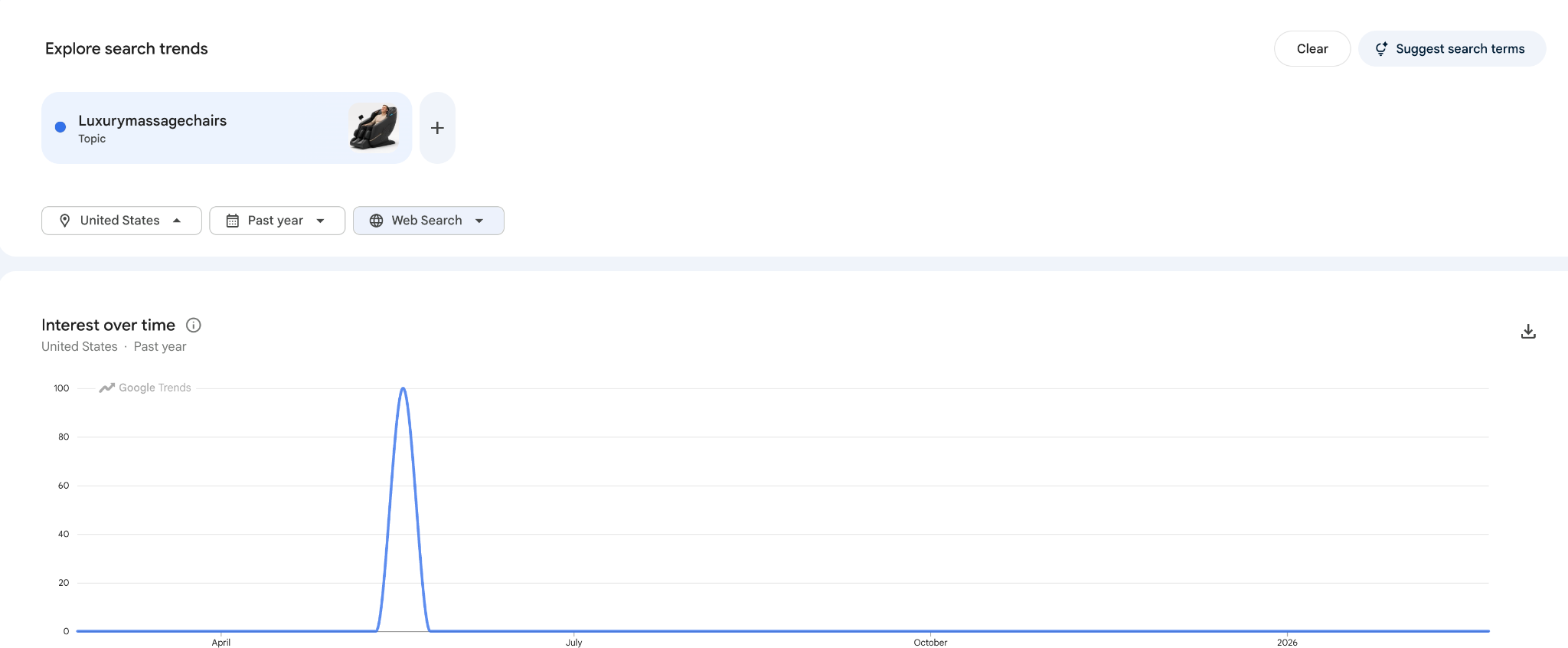
Looking outside your scope of expertise is a little harder, but it can be key to finding a profitable niche. You can use Google Trends to see how well people are searching for the terms in your niche. Toss in a keyword, and it’ll show you data like search volume and related queries, broken down by region if you need it, to see if there’s enough interest in a topic to justify creating a product around it. See the analytics for “Luxury massage chairs.”
How to Evaluate a High-Ticket Product Before Committing
A product worth pursuing should clear all seven of the following:
- Monthly search volume for the core product term is 1,000 or more
- The product has a MAP policy from the manufacturer
- At least one authorized supplier is willing to work with the seller
- Retail price is $500 or above with a 25%+ margin achievable
- Fewer than five established stores dominate the first page of Google for the main product term
- Google Trends shows stable or growing interest over the past 24 months
- The product can be physically tested or inspected before listing
Top 15 High Ticket Dropshipping Products for 2026
Let’s drop a caveat before we start looking at products. Even though you’re going to see a lot of potential in the 15 products on this list, you still need to do your research first. Find the right supplier and make sure the market exists in your location before you move ahead. That said, here are the 15 high-ticket products for 2026.
1. Luxury Watches
Why are luxury watches a top product to sell in 2026? There are very few high-ticket items that come close to this one’s market size. The sector is already worth $57.83 billion as of 2025 and is projected to grow at an 8.47% compound annual growth rate through 2034, reaching roughly $119 billion. A compound annual growth rate (CAGR) of 12.17% between now and 2032 means the luxury watch market will be worth $134.53 billion in eight years. Offer a timepiece that catches fire, and you’ll get a big slice of that market.
2. High-End Home Appliances
Home appliances, think freezers, ovens, and dishwashers, are another growth market. Market size estimates vary considerably by research firm, generally ranging from the low hundreds of billions to over a trillion dollars depending on scope, but the direction is consistently upward. A dropshipper can find these high-ticket products relatively cheaply and make big money by branding them at the high end of the market.
3. Premium Furniture
You may already be seeing a trend with these product choices - they’re all in luxury-growth sectors. On the furniture front, the global furniture market overall is projected to reach $780.43 billion by 2030, with premium and designer segments capturing an outsized share of that growth. A great product with a high-profit margin for your dropshipping store.
4. High-End Electronics
Think of the high-end electronics sector as being a sister product line to home appliances. If you can carve out a niche in one, you have a great foundation for succeeding in the other. The global consumer electronics market generated roughly $1.03 trillion in revenue in 2026, so delivering something that fits a niche and feels luxurious makes this a great high-ticket choice for profitable dropshipping.
5. Designer Handbags
Asian markets make up your biggest audience in the designer handbag space. India leads global demand at 36% of consumers planning to purchase, with Hong Kong not far behind (24%), and 18% of Chinese consumers saying they want a fancy bag. This is a big niche market opening up for dropshipping products with high profit margins.
6. Fitness Equipment
Being in shape matters to many people. Health and fitness consistently rank among the top personal priorities in consumer surveys, which translates into steady demand for home fitness equipment and makes it one of the best high-ticket products to sell in 2026.
7. Outdoor Furniture
Get a foothold in the luxury furniture market, and you’re in the perfect position to create an outdoor furniture range. And there’s a definite market for it. With a 5.74% CAGR through 2034, this market is expected to reach about $92.08 billion. Think of these as a little sub-niche for dropshipping that can align with other high-ticket products.
8. Electric Bikes and Scooters
Interest in cycling and micromobility has been climbing steadily across multiple markets, with a meaningful share of that interest translating into openness toward electric bikes specifically. Throw electric scooters into the mix, and you have a high-ticket dropshipping product that appeals to a wide age range.
9. Luxury Bedding
Is there anything better than being wrapped up in comfortable sheets when you climb into bed? If you feel that way, you have to know there’s a market out there for luxury bedding. In fact, the luxury bedding market is growing at 2.4% annually and is projected to reach $2.7 billion by 2027. Premium sheet sets and duvet systems sit at the accessible end of the high-ticket spectrum. Thread count, material sourcing, and certifications such as OEKO-TEX all factor into the purchase decision, which makes buying guides an effective content format for this category.
10. High-End Kitchenware
Premium kitchenware pairs naturally with high-end appliances, since buyers upgrading a kitchen often shop for both at once. The global kitchenware market was valued at $75.9 billion in 2025 and is projected to reach $117.7 billion by 2035, growing at a 4.5% CAGR. High-ticket kitchenware covers professional-grade cookware and specialty cooking equipment, a category that benefits from buyers already investing in premium appliances.
11. Smart Home Devices
Smart home has moved well past speakers and light switches. Premium whole-home systems, including integrated lighting, whole-home audio, and automated security, represent the high-ticket end of the category. Global smart home revenue is projected to reach $175.1 billion in 2026, growing at an 8.8% CAGR toward roughly $226 billion by 2029. Whole-home setups from established automation brands represent the top of the market.
12. Solar Panels and Home Energy Systems
Home energy systems are one of the fastest-growing high-ticket items in the residential market. Demand is driven by rising energy costs and government incentive programs, creating significant margin potential for dropshippers who can connect buyers with reliable, installation-ready suppliers. This is a niche where supplier reliability matters more than almost anywhere else on this list, so vet carefully before you commit.
13. Musical Instruments
High-end musical instruments are a passionate niche with a loyal buyer base. A professional guitarist or pianist isn’t shopping on price. They’re shopping on quality, brand reputation, and tone. Premium guitars, grand pianos, and professional-grade audio equipment put this firmly in high-ticket territory. Find the right supplier and the right audience, and you’re selling to buyers who know exactly what they want and are ready to pay for it.
14. Telescopes and Astronomy Equipment
Astronomy is a niche that punches well above its weight in terms of average order value. Entry-level hobbyist telescopes cost meaningfully more than most impulse-buy categories, and serious enthusiasts routinely spend far more on premium optics and mounts. The audience is passionate, research-driven, and not particularly price-sensitive when they find the right product. That’s exactly the kind of buyer a high-ticket dropshipper wants.
15. Luxury Pet Products
Pet owners spend big - and they don’t apologize for it. Within the broader pet care market, luxury pet products- think designer pet furniture, orthopedic dog beds, and high-end automatic feeders- represent a fast-growing segment of high-ticket items with strong repeat purchase potential. The emotional connection pet owners have with their animals makes this one of the more recession-resistant niches on this list. If you can source quality products through a vetted supplier via Supplier HQ, this niche is worth a serious look.
Tips for Successfully Dropshipping High Ticket Products
You have your product, or maybe even a few. Awesome! But a product left alone doesn’t sell – you need to make sure your buyers know about it.
1. Build Trust With Customers
It takes three or fewer negative experiences for 73% of customers to ghost a brand forever, underscoring the importance of building customer trust. As soon as you lose that trust, it’s gone forever.
To make sure that doesn’t happen, you need the two building blocks of creating the trust necessary for a successful dropshipping business:
- Amazing Customer Service: The best thing about the dropshipping model is that the supplier handles all manufacturing, storage, and delivery. That gives you more time to dedicate to customer service. Understand that product issues will occasionally arise, and you need to handle them directly to keep (or restore) a customer’s trust.
- Transparency: No matter where your customers look on your ecommerce site, they need to see signs of a transparent business, for instance, clear terms of service and no messing around when it comes to shipping info and the cost of products. Even small signals, like a legit phone number and email address for customer queries, help build trust.
2. Master Your Product Knowledge
High-ticket buyers ask hard questions. They want to know the difference between a 4kW and 6kW sauna heater, or why one massage chair costs $4,000 and another costs $9,000. If your store can’t answer those questions, either through detailed product pages, comparison guides, or a responsive support channel, you’re losing sales to competitors who can.
I’ve seen store owners treat product knowledge as optional. It isn’t. In the high-ticket space, being the most informed option in the room is a legitimate competitive advantage. The more you educate the buyer, the more they trust you, and trust is what closes a $5,000 sale.
3. Price Strategically, Not Arbitrarily
Many new dropshippers simply copy the supplier’s suggested retail price and move on. That’s leaving money on the table. Pricing in the high-ticket space is more nuanced. Your price signals quality. For instance, a luxury sauna listed at $1,800 on a premium-looking store might actually convert worse than the same unit at $2,200, because buyers associate the lower price with lower quality.
That said, you also need to leave room for Google Shopping competitiveness and occasional promotional pricing without destroying your margin. The rule I use: know your floor (cost + minimum acceptable margin), understand the market range for that product, and price in the upper half of that range if your store positioning supports it.
4. Choose Suppliers Like a Business Partner, Not a Vendor
The authorized retailer model is what separates serious high-ticket dropshippers from the ones who flame out in six months. When you become an authorized retailer for a brand, you get access to their product catalog, their marketing assets, and their brand trust. Buyers searching for a specific brand will land on your store and see a legitimate retailer, not an anonymous middleman.
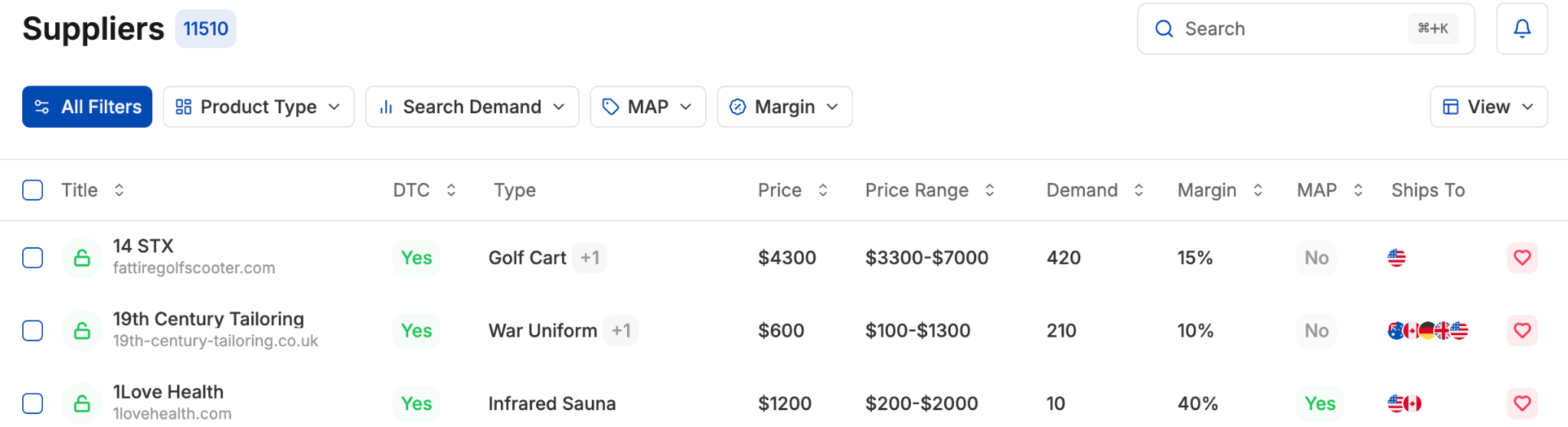
To find these suppliers, you can use SupplierHQ. I built this tool to give you access to the high-ticket supplier database my clients have used over the years. This platform contains over 9000 verified high-ticket suppliers and 100 high-ticket distributors. You can filter suppliers based on price, search demand, location, and even profit margin:
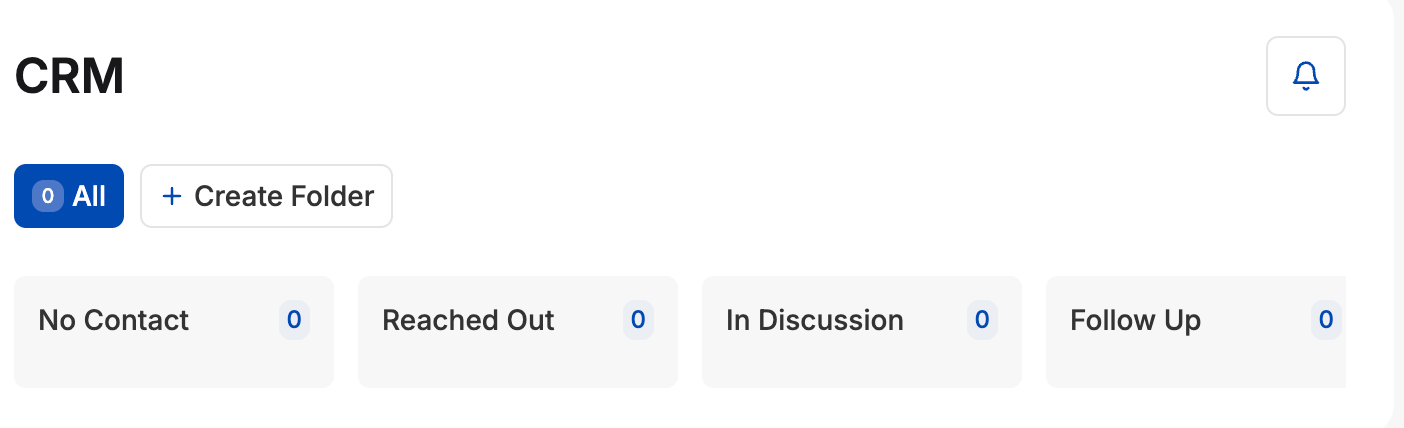
You also get access to supplier outreach templates to connect with suppliers and build a profitable partnership. The built-in CRM also makes it easy to track the outreaches to know who you need to follow up with and when:
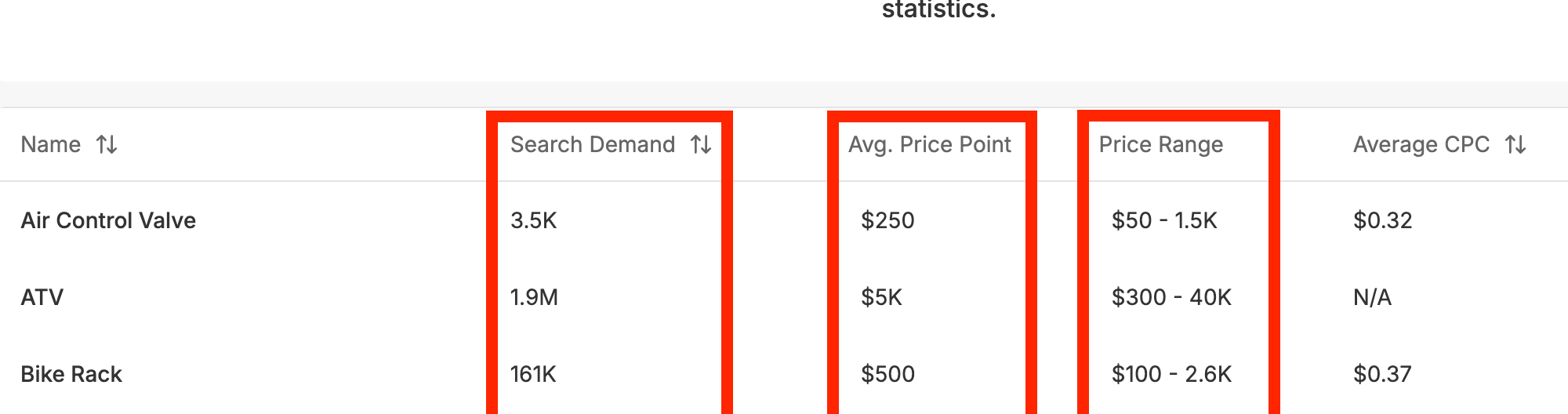
It also serves as a high-ticket product-sourcing tool. Once you sign up, you can use the “Product Explorer” feature to check trending products, their search demand, and average price point:
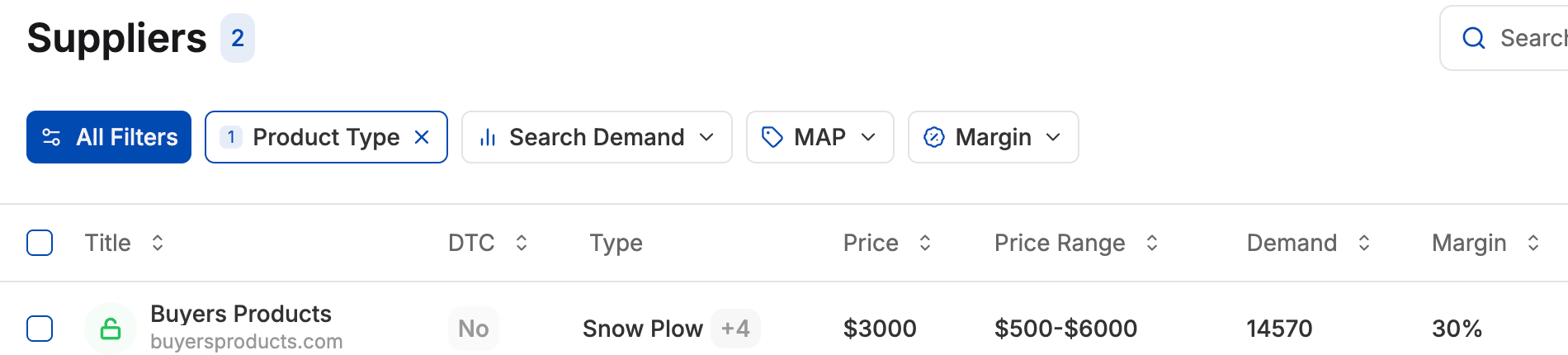
You’ll also get the top suppliers for each product on the same page, including their price range, profit margin, MAP, and shipping location:
5. Optimize Your Store for High-Intent Search Traffic
Most of your high-ticket dropshipping sales will come from people who already know what they want. They’re searching for “Harvia wood-burning sauna heater 8kW” or “Napoleon Grandville outdoor fireplace.” That’s bottom-of-funnel intent, and it’s the most valuable traffic you can capture.
This is where your SEO and Google Shopping setup matters the most. Your product titles need to match how buyers actually search. Product descriptions should also include the specific terms buyers use during the research phase. If you plan to run ads, build your Google Ads campaigns around exact- and phrase-match keywords that reflect purchase intent, not broad awareness. Getting this right means your ad spend converts.
6. Build a Post-Purchase System That Generates Referrals
High-ticket buyers talk. If someone spent $8,000 on a massage chair from your store and the experience was seamless (fast shipping, clear communication, easy setup documentation, responsive support), they’ll tell people. In categories like home wellness, luxury furniture, and premium fitness equipment, word-of-mouth carries real weight because the buyer’s social circle often has the same income level and lifestyle.
Build a simple post-purchase sequence:
- A confirmation email with tracking info
- A follow-up 3 days after delivery to check that everything arrived in good condition
- A request for a review at the 2-week mark.
Most stores don’t do this at all, which means doing it puts you ahead of most competitors while also generating the social proof that helps close your next buyer.
How to Market High Ticket Products
You need marketing strategies to attract customers to your high-ticket products. That’s a given, but the question is which channels you should be using. A lot of that is dependent on your product, though there’s one channel that delivers consistent results across the board:
Google Ads and Google Shopping
Back in 2009, Google itself estimated that the right Google Ad could deliver $2 for every $1 you spent. That’s changed. It’s now closer to $8 per $1 spent because the people who click on Google Ads have high buying intent. They already have their cash ready; you just need to make sure they see you first, so it’s your business that gets the cash.
SEO and Content Marketing
High-ticket buyers typically do extensive research before purchasing, and a resource hub answering questions like “best infrared sauna for home use” captures buyers during that research phase. Targeting keywords with buying intent, such as “[product] review” or “best [product] under $X,” reaches buyers close to a decision who need the final piece of information before they commit.
Email Marketing and Retargeting
High-ticket buyers typically take longer than a single visit to decide, often stretching from days into weeks. Capturing an email address in exchange for a buying guide, combined with a short nurture sequence, keeps a store top of mind during that window. Retargeting ads on Meta and Google Display reinforce familiarity for visitors who did not convert on the first visit, so a buyer who found the store during research keeps seeing it until they are ready to buy.
YouTube and Video Content
Unboxing videos, setup guides, and product comparisons drive meaningful high-ticket traffic because buyers use YouTube as part of the research process. A well-optimized comparison or setup video can drive qualified traffic for years at no ongoing cost, since a buyer watching a detailed setup guide before purchasing has usually already decided to buy and just needs to confirm where.
Conclusion
To succeed in high-ticket dropshipping, you need to find a profitable niche with strong industry growth. All 15 products listed in this article are good enough to help you get started. You can also watch this YouTube video for 10 more product ideas.
And when you’re ready to dive in fully and start making sales, I’ve created a high-ticket incubator and accelerator course, highticket.io, to show you the ropes. We’ll teach you (myself and other high-ticket dropshippers) the foundation of what it takes to be a high-ticket dropshipper and everything you need to scale.
Next Steps for Finding a First Product
Validating demand with Google Trends and confirming supplier access through SupplierHQ are the two steps worth taking before committing to any category on this list. For a broader walkthrough of getting a store off the ground, the guide to getting started with high-ticket dropshipping and the comprehensive guide to finding suppliers cover the setup process in more detail. Anyone ready to build the full system, from product selection through paid traffic, can explore the High Ticket program.
FAQ
A few questions come up consistently from people evaluating whether this model fits their goals.
What Qualifies as a High-Ticket Item?
Most practitioners define high-ticket by price relative to a category’s mass-market average, not a fixed dollar figure. The more useful definition is any product where a single sale generates enough revenue to justify real marketing spend and real customer service investment, since what counts as high-ticket in one niche can look mid-range in another.
What Are Examples of High-Ticket Items?
Luxury watches, infrared saunas, massage chairs, electric bikes, premium furniture, high-end electronics, designer goods, fitness equipment, and smart home systems all qualify. The common thread is a price point that makes each transaction meaningful and a buyer who researches before purchasing.
Is High-Ticket Dropshipping Worth It?
The margin math makes a strong case, in principle: a single high-value sale can generate as much profit as dozens of low-ticket sales at the same margin percentage, simply because the dollar base is larger. The volume required at the low end is punishing, while a handful of sales per week at the high end can support a full-time income. Results vary by niche, supplier, and execution, so no specific income outcome is guaranteed.
How Do I Find High-Ticket Items to Sell?
Starting with SupplierHQ provides access to a database of verified high-ticket suppliers with margin and MAP enforcement data. Layering in Google Trends to validate search interest and a keyword tool to confirm real search volume rounds out the research needed to separate a product worth pursuing from one that only looks good on paper.
What Is the Difference Between High-Ticket and Low-Ticket Items?
Four differences matter most. Low-ticket wins on margin percentage, while high-ticket wins on margin dollars. Low-ticket demands volume, while high-ticket demands quality and trust-building. High-ticket sellers can afford to bid more per click since their revenue per conversion is higher. High-ticket buyers take days or weeks to decide rather than minutes, so content and trust systems matter far more than they do at the low end.